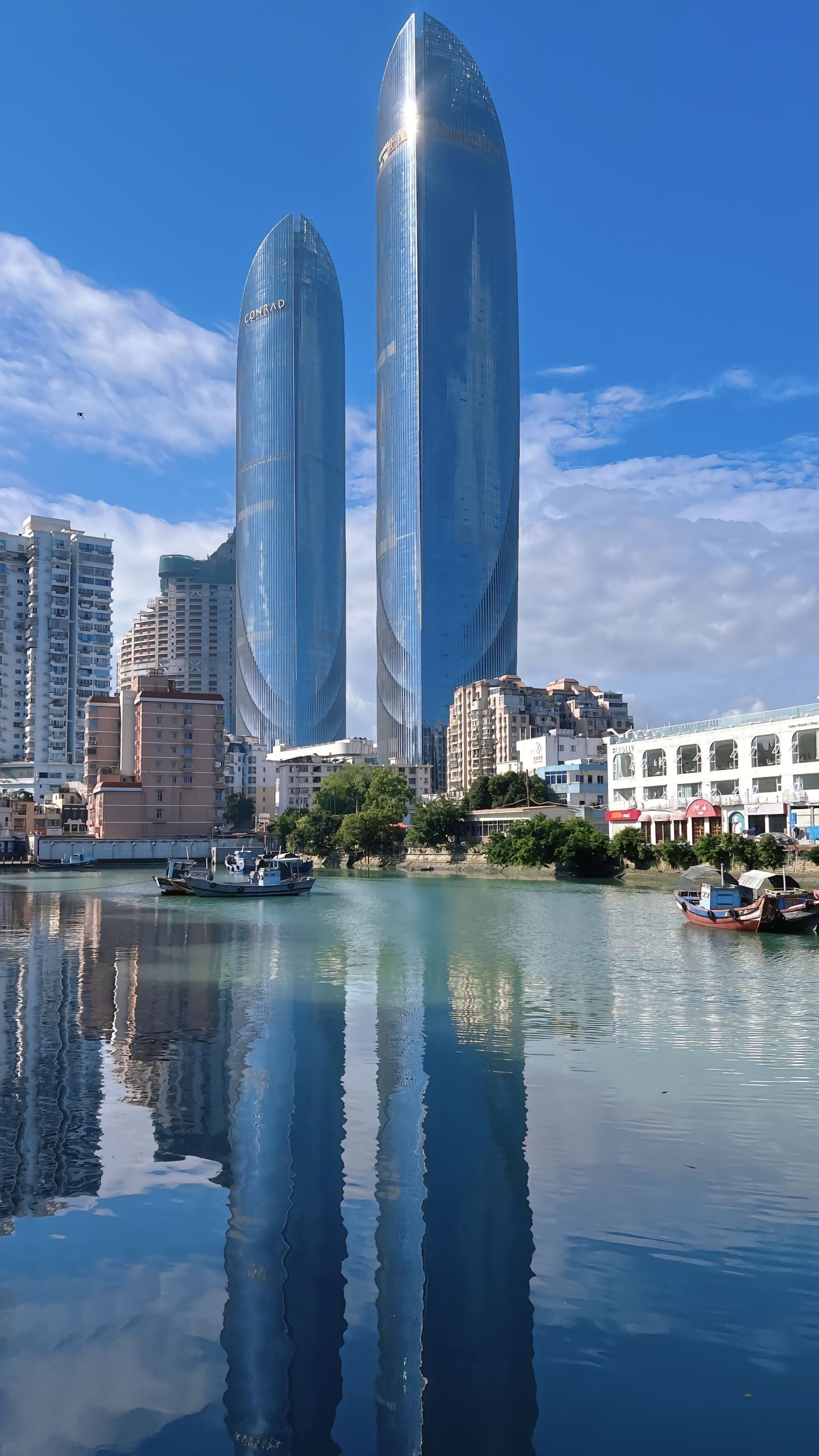
Yes, if you like walking, old buildings, the sea and eating, and want a gentler China. No, if you want famous monuments, nightlife or a beach to swim from. Two to four days is right.
The case for
You can cross it in half an hour
About 5.4 million people live in Xiamen, which by Chinese standards makes it a mid-sized town. The part visitors use is one island. The airport is on it, 10 km from the centre. The temple, the university, the old harbour and the seafront share one corner. In Beijing you plan a day around a single sight because of the distances. Here you can change your mind at lunch.
Gulangyu has no equivalent
Six hundred metres off the waterfront is an island of 1.88 square kilometres with no cars and no bicycles. In the early 1900s it was an international settlement with its own council, and thirteen countries kept consulates there. Then rich emigrants came home from Southeast Asia and built houses. UNESCO counted 931 historical buildings when it listed the place in 2017.
What that means on the ground is lanes of walled villas under banyan trees, a church round one corner and a temple round the next. You walk. That is all there is to do, and it takes a day. See our one-day route.
The Tulou are a day away
In the hills inland stand the Fujian Tulou: fortress-like communal houses of rammed earth, round or square, some big enough for 800 people. UNESCO listed 46 of them in 2008. People still live in them. Xiamen is where you go from, two to three hours by road. More in our guide to the clusters.
The weather is on your side
There is practically no frost. January afternoons reach 17 °C. October and November are dry and in the mid-twenties. Only about five days a year pass 35 °C. If you have done Beijing in January or Chongqing in August, you will notice.
The food is easy
Minnan cooking is light and a touch sweet. Chilli comes in a saucer on the side. Shacha noodles in a peanut and seafood broth, oyster omelette, fresh spring rolls, sweet peanut soup: none of it will make you sweat. Our food guide has the full list.
It has a history with the world
Europeans called it Amoy, and it was one of the first five treaty ports named in 1842. For generations men from this coast sailed for Southeast Asia, and their descendants make up a large part of the Chinese communities of Singapore, Malaysia, Indonesia and the Philippines. Xiamen University was founded in 1921 by one of them, Tan Kah Kee, with money made in Singapore. If your family is from southern Fujian, the city means something no rating can capture. We have written about that here.
The case against
Better to hear these from us than discover them on arrival.
Nothing here is on the scale of the Forbidden City. The appeal is cumulative: a morning here, a lunch there. If you travel to stand in front of world-famous things, Xiamen will feel slight.
Holidays are heaving. Gulangyu caps visitors at 50,000 a day and reaches it. Over the first three days of the 2025 National Day break the island took more than 100,000 visits. The same lanes a week later are pleasant.
You cannot really swim. The beaches are for walking. Local police advise visitors to stay out of the water because of currents.
The ferry is at the mercy of the weather. Fog in spring and typhoons in late summer stop it, sometimes for a day or more.
Almost nothing is in English. That includes the booking systems for the ferry, the temple and the university, which are built around Chinese ID cards. Foreign visitors regularly report being unable to buy a Gulangyu ticket online at all.
There are tourist traps. Cheap “ferry tickets” that turn out to be shopping tours, seafood sold by weight at prices nobody mentioned. They are avoidable once you know, and we explain how in our ferry guide.
The Tulou are a long day. Five or six hours in a car, there and back.
Who it suits
| Traveller | Verdict | Because |
|---|---|---|
| Second or third trip to China | Strong yes | A slower, different side of the country |
| Architecture and history lovers | Strong yes | Gulangyu, the Tulou, Quanzhou |
| Families with children | Yes | Short distances, mild food, space to run |
| Older travellers | Yes | Gentle pace, mild climate, level seafront |
| Overseas Chinese with Fujian roots | Strong yes | Language, food, family history |
| Transit visitors with a few days | Yes | Eligible for 240-hour visa-free transit |
| First trip, one week only | Maybe | Beijing, Xi'an and Shanghai usually come first |
| Nightlife or resort seekers | No | Wrong city |
How it fits a longer trip
Xiamen is on the coastal high-speed line. Direct trains from Hong Kong take about three and a half hours, which makes the two an easy pair. Shanghai is about five hours by the fastest train, or a short flight. And Fujian on its own makes a good week: Xiamen, the Tulou, Quanzhou and Wuyishan are four World Heritage Sites inside one province, all open to travellers on the 240-hour visa-free transit. See how to get here and our seven-day route.
Making it worth it
- Do not come in the first week of October, at Chinese New Year or in the first days of May.
- Put Gulangyu first and take an early boat.
- If you have three days, use one for the Tulou.
- Sort the ferry and the temple reservation before you arrive.
- In fog or typhoon season, leave a day loose.
Our view
We plan trips here, so discount this as you see fit. Xiamen is a city for people who are happy to have no particular plan after eleven in the morning. A few hours among old houses, something to eat that you cannot name, the sea at the end of the afternoon. If that sounds like a wasted day, start with Beijing. If it sounds like a holiday, come.
Quick answers
Is Xiamen worth visiting for a first trip to China?
It works well as a calm first or last stop, paired with bigger cities. On its own it will not show you the Great Wall or the Terracotta Army, so most first-timers combine it with Beijing, Xi'an, Shanghai or Hong Kong.
What is Xiamen famous for?
Gulangyu, a car-free island of historic villas listed by UNESCO in 2017; a mild seaside climate; Minnan food; Xiamen University; and its position as the gateway to the Fujian Tulou earth buildings.
Is Xiamen expensive?
Day-to-day costs are moderate. Taxi rides within the island are short, and the main sights cost little or nothing: Nanputuo Temple is free and a combined Gulangyu ticket was about ¥90 when we checked.
Is Xiamen safe for tourists?
Visitors generally find Xiamen comfortable to walk around, including in the evening. The risks to plan for are practical ones: tides and currents at the beaches, summer heat, typhoons in season, and road traffic.
Is English widely spoken in Xiamen?
No. Mandarin is used everywhere and the local language is Minnan (Hokkien). English is limited outside larger hotels, and most booking systems are in Chinese. A translation app, or a guide, makes a real difference.
How many days is Xiamen worth?
Two days for the city and Gulangyu, three for a comfortable visit, four or five if you add the Fujian Tulou.
Keep planning
Sources we checked
- UNESCO World Heritage Centre: Kulangsu, a Historic International Settlement
- UNESCO World Heritage Centre: Fujian Tulou
- UNESCO World Heritage Centre: Quanzhou, Emporium of the World in Song-Yuan China
- Xiamen Municipal Bureau of Statistics: 2025 statistical communique (Chinese)
- Xiamen Meteorological Bureau: Xiamen climate overview (Chinese)
- Fujian Provincial Government: Fujian under the 240-hour transit policy (Chinese)
Last checked: October 2026. Tickets, ferries, opening hours and entry rules change; we confirm the current arrangement for your dates before you travel.
Plan Xiamen at your own pace
Tell us your dates, group and pace. We will check the current ferry, ticket and timing arrangements and suggest a private route that fits.